

Rising Raw Material Costs Force Lash Enterprises to Adjust Product Pricing
Rising Raw Material Costs: Strategies for Lash Enterprises in Product Pricing Adjustments
The global false lash industry is currently grappling with a significant challenge: rising raw material costs. From synthetic fibers, the backbone of most lash products, to specialized adhesives and eco-friendly packaging materials, prices have surged by 15-25% over the past year, forcing manufacturers to rethink their pricing strategies.
At the heart of this cost hike lies a confluence of factors. Synthetic fibers, derived from petroleum-based polymers, have been directly impacted by volatile oil prices, which spiked due to geopolitical tensions and supply chain disruptions. Meanwhile, demand for high-quality adhesives—critical for lash durability—has outpaced supply, as key chemical components like cyanoacrylate face production delays in major manufacturing hubs. Even packaging materials, especially sustainable options like biodegradable boxes, have seen costs rise amid increased global focus on eco-friendly practices, driving up expenses for brands prioritizing green credentials.

For lash enterprises, the immediate response might seem straightforward: pass the cost to consumers. However, this approach carries risks. The false lash market is highly competitive, with consumers sensitive to price changes, particularly in mid-range segments. A sudden price increase could push customers toward cheaper alternatives or generic brands, eroding market share. Instead, forward-thinking manufacturers are adopting nuanced strategies.
One effective tactic is product portfolio optimization. Many companies are shifting focus to premium lines, where higher margins can absorb raw material costs. For example, luxury lash brands using ultra-fine synthetic fibers or mink alternatives are emphasizing craftsmanship and exclusivity, justifying price bumps of 10-15% without alienating their target audience. Simultaneously, some are phasing out low-margin, basic lash styles, redirecting resources to high-demand products like magnetic lashes or customizable sets, which offer better profitability.
Another key strategy is supply chain resilience. Smart manufacturers are forging long-term partnerships with raw material suppliers, locking in prices through multi-year contracts to shield against short-term market fluctuations. Some are even exploring alternative materials: bio-based synthetic fibers, derived from plant starches, are emerging as a viable (and increasingly cost-stable) substitute, though initial R&D investments are required.
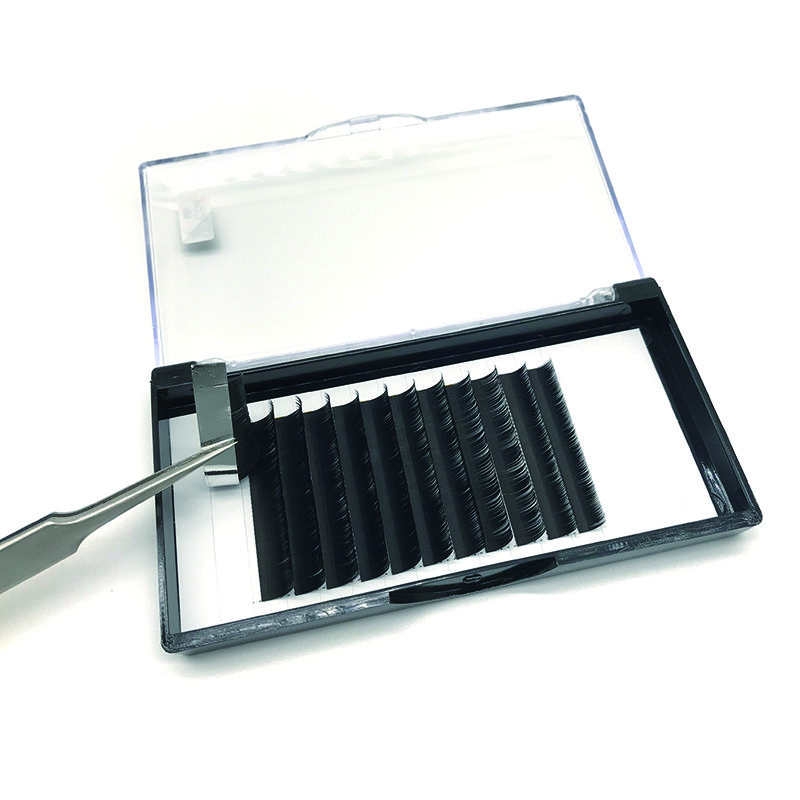
Cost-cutting in non-core areas is also proving essential. Streamlining production processes—such as automating lash trimming or optimizing packaging design to reduce material waste—can lower operational costs, offsetting raw material hikes. Additionally, investing in energy-efficient manufacturing facilities not only reduces utility bills but aligns with consumer demand for sustainable practices, adding brand value.
The impact of these adjustments is already visible. Market data shows a slight shift toward premiumization, with sales of high-end lash products growing by 8% year-over-year, while budget segments stagnate. Consumers, increasingly valuing quality and sustainability, are showing willingness to pay more for products that offer durability and ethical sourcing—a trend lash enterprises are leveraging.
Looking ahead, raw material cost volatility is likely to persist, driven by ongoing global economic uncertainties and environmental regulations. Lash enterprises that thrive will be those that balance short-term pricing adjustments with long-term strategic investments: diversifying supply chains, innovating materials, and building brand loyalty through quality and transparency. In this evolving landscape, adaptability isn’t just a choice—it’s a necessity.


